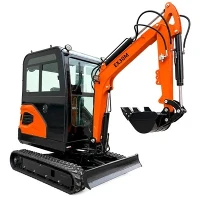

Diesel engine maintenance involves several aspects, such as regularly changing the engine oil and the "three filters" (air, fuel, and oil filters), maintaining systems like the cooling and fuel systems, and inspecting components such as belts and chains. Regular oil and filter changes ensure the engine's interior remains well-lubricated and clean; air and fuel filters are crucial for the purity of intake air and fuel and require timely inspection and replacement; the cooling system demands special attention, as any issues can affect engine temperature; and the condition of belts and chains is vital for normal engine operation. Proper maintenance ensures the diesel engine remains durable and long-lasting.
When selecting engine oil, it is essential to strictly adhere to the manufacturer's standards regarding the appropriate grade. Engine oil serves not only to lubricate but also to dissipate heat and remove impurities generated during engine operation. Furthermore, if the vehicle is traveling to regions with significant temperature fluctuations, paying close attention to the oil's viscosity rating is critical; the correct rating ensures optimal performance across varying temperature environments.
Timely replacement of the "three filters" is equally crucial. The air filter screens air entering the engine, preventing contaminants like dust and grit from getting inside. Ideally, the air filter should be replaced approximately every 15,000 kilometers; however, if the vehicle frequently operates in harsh, dusty environments, the replacement frequency should be increased based on actual conditions. The fuel filter removes impurities and moisture from the fuel, ensuring the purity of the fuel entering the engine; modern diesel engines are typically equipped with two fuel filters, both of which should be replaced simultaneously. The oil filter removes impurities from the engine oil, maintaining oil cleanliness and ensuring that internal engine components receive effective lubrication and protection.
Cooling system maintenance should not be overlooked. The radiator requires regular cleaning to remove rust and scale, as its proper functioning is key to maintaining the correct engine temperature. Coolant levels and condition must also be checked regularly, with flushing and replacement recommended approximately every 30,000 kilometers. Any signs of leakage should be inspected and repaired promptly to prevent issues such as engine overheating caused by insufficient coolant.
Maintenance of the fuel system is also essential. It is essential to inspect all fuel system connection points to ensure they are secure and free from wear, guaranteeing a smooth fuel supply to the engine. Additionally, regular cleaning of the fuel system helps maintain optimal engine performance and prevents issues such as engine vibration or knocking caused by the buildup of gum and carbon deposits.
Regarding belts and chains, closely monitor the multi-ribbed belt for wear or damage and replace it promptly if issues arise. Any signs of cracking or damage to the engine timing belt must also be addressed immediately, as their condition directly impacts the engine's normal operation.
Beyond these points, maintaining proper crankcase ventilation is crucial; pay special attention to cleaning dirt from around the PCV valve to prevent clogging. A clogged valve can cause a backflow of contaminated gases, leading to increased fuel consumption and accelerated engine wear. At the same time, regularly check the battery to ensure it has sufficient charge to reliably power vehicle startup and operation. During daily use, keep an eye on the malfunction indicator light; if it illuminates, investigate the cause promptly. Furthermore, perform regular inspections and maintenance on components such as valve clearances, fuel injectors, and oil pumps to keep the engine in peak operating condition.
In summary, diesel engine maintenance is a comprehensive task involving numerous details. Every step-from changing the engine oil and the "three filters" (oil, air, and fuel filters) to maintaining various systems and inspecting individual components-is interconnected. Only by strictly adhering to requirements and diligently carrying out every maintenance task can we ensure the diesel engine operates efficiently, extend its service life, and guarantee reliable power for our travel and work.