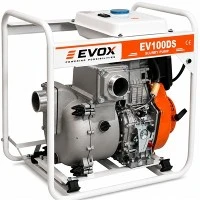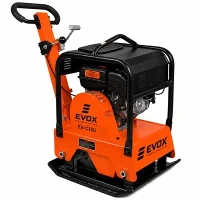

First, backup power for homes and offices: In the event of a power outage or other electrical failure, generators serve as backup power sources for homes and offices, keeping essential facilities and equipment-such as lighting, air conditioning, refrigerators, and computers-operational.
Second, industrial and construction sites: Generators are used at industrial and construction sites to power various types of equipment and machinery. For instance, heavy machinery and tools found on construction sites-such as electric drills, rotary hammers, and excavators-require high-power electrical supply.
Third, agricultural applications: Generators are also suitable for agricultural use, meeting power needs in rural areas where grid electricity is unavailable for equipment such as water pumps, irrigation systems, and livestock farming machinery.
Fourth, events and camping: Generators can be used for activities such as wilderness camping, outdoor concerts, and open-air weddings. They provide power for a wide range of equipment, including sound systems, lighting, televisions, electric ovens, and refrigerators.
Fifth, the transportation sector: Generators supply power to vehicles such as ships, trains, and automobiles, supporting systems like onboard navigation equipment, electric lifting mechanisms, and in-vehicle electronics.